How Do I Find the Best Dentist Near Me?
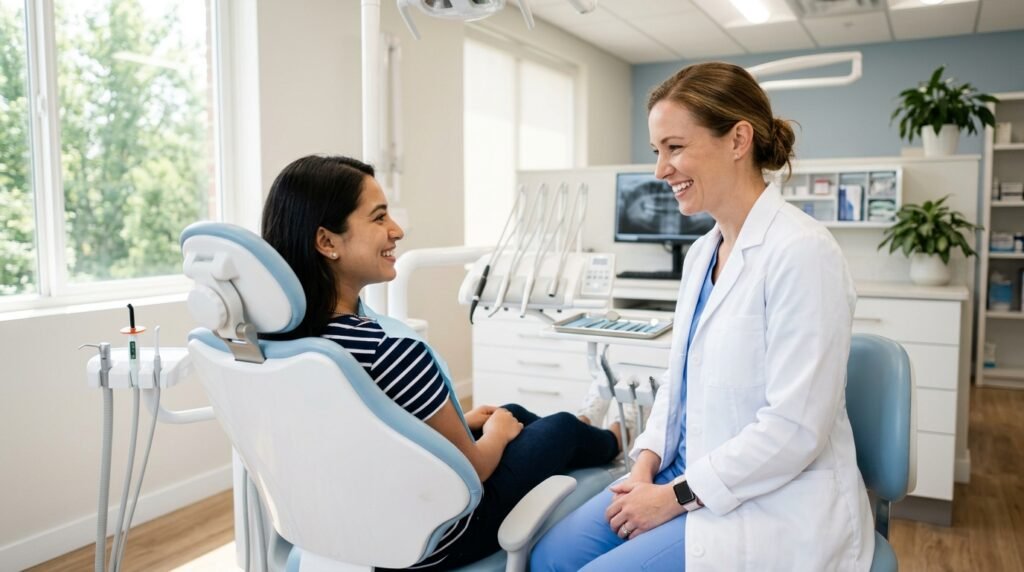
Typing “best dentist near me” into a search bar takes only a few seconds, but choosing the right dentist takes a little more thought. A good dentist does much more than fill cavities. They catch problems early, explain your options honestly, and make you feel comfortable enough to keep coming back for regular visits. A poor fit, on the other hand, can lead to unnecessary treatment, painful appointments, or even years of avoiding the dentist altogether, which often makes small problems far more serious and expensive to fix.
The good news is that you don’t need any insider knowledge to find a great dentist. All you need is a clear idea of what you’re looking for and a simple process for checking it. Start by thinking about your own needs, whether that’s routine checkups, family care, a specific treatment like braces or implants, or help managing dental anxiety. From there, you can verify credentials, read reviews with a critical eye, ask people you trust for recommendations, and pay close attention to how the clinic feels during your first visit.
This guide walks you through that process step by step, so you can feel confident that the dentist you choose is qualified, trustworthy, and the right match for you and your family. A little research now can save you pain, money, and stress later, and it helps you build a long-term relationship with someone who genuinely cares about your oral health.
1. Start With What You Actually Need
Best means different things for different people, so begin by defining your own situation.
- Routine care: If you mainly need checkups and cleanings, a general dentist with a friendly, preventive approach is ideal.
- Family care: If you’re booking for children too, look for a practice that is patient with kids and offers family appointments.
- Specific treatment: Braces, implants, root canals, and cosmetic work may call for a specialist, such as an orthodontist or endodontist, or a general dentist with advanced training in that area.
- Dental anxiety: If visits make you nervous, prioritize a dentist known for gentle technique, clear explanations, and options for managing fear.
- Emergency access: If you want a dentist who can see you quickly for a broken tooth or severe pain, ask about emergency appointments before you need one.
Writing down your top two or three priorities makes every later step easier.
2. Check Credentials and Registration
Before anything else, confirm that the dentist is properly qualified and licensed. In most countries, dentists must be registered with a national or regional dental council or board, and you can usually verify this through an online register. A legitimate practice will be happy to tell you their qualifications and registration details.
Look at the dentist’s training and experience as well, especially if you need a specific procedure. A dentist who performs implants every week will generally be more practiced than one who does them rarely. You can politely ask how often they perform the treatment you’re considering and what kind of results patients typically see.
3. Read Reviews, but Read Them Wisely
Online reviews are one of the most useful tools you have, as long as you read them with a critical eye.
Look for patterns, not single opinions. One angry review can come from a misunderstanding, and one glowing review can be a friend of the owner. What matters is the overall trend. If many patients mention long waits, rushed appointments, or surprise charges, take that seriously. If many praise the dentist’s patience and clear explanations, that’s a good sign.
Pay attention to the details. The most helpful reviews describe specifics: how the dentist handled a nervous patient, whether the pricing matched the quote, or how the staff responded to a problem after treatment.
Check how the clinic responds. A practice that replies politely and professionally to negative feedback shows that it cares about patient experience.
Don’t rely on star ratings alone. A 4.7 rating with hundreds of detailed reviews is usually more reliable than a perfect 5.0 from a dozen.
4. Ask People You Trust
Personal recommendations remain hard to beat. Ask family, friends, neighbors, and coworkers who they see and why. Ask follow-up questions: Do they feel listened to? Are costs explained upfront? Have they ever needed follow-up work, and how was it handled?
Your family doctor or pharmacist may also be able to point you toward reputable local dentists. If you’ve recently moved, local community groups can be a helpful source of honest opinions.
5. Consider Location, Hours, and Cost
The best dentist on paper is no use if you can never get to the appointment. Think about practical details:
- Distance and travel time: A clinic that is easy to reach makes you more likely to keep regular appointments.
- Opening hours: Evening or weekend availability can matter if you work during the day.
- Fees and payment: Ask whether the clinic gives written treatment estimates, accepts your insurance if you have it, and offers payment plans for bigger procedures.
- Technology: Modern equipment such as digital X-rays and intraoral cameras can improve accuracy and help you understand your own treatment, though technology alone doesn’t make a dentist good.
Be wary of choosing purely on price. The cheapest option can become the most expensive if work needs to be redone. At the same time, the highest price doesn’t guarantee the best care. Look for transparency and fair value.
6. Pay Attention to the First Visit
A first appointment, or even a quick phone call, tells you a lot. Notice the following.
Cleanliness and hygiene. The clinic should look clean and organized. Staff should wear gloves and masks, and instruments should be sterilized or single-use. Don’t hesitate to ask about their infection control practices.
Communication. A great dentist explains what they see in plain language, shows you X-rays or photos, and lays out your options without pressure. You should come away understanding what’s wrong, what the treatment involves, and what happens if you wait.
Time and attention. You shouldn’t feel rushed through your appointment. A thorough first visit usually includes a full exam, a review of your medical history, and a conversation about your goals.
Comfort. Do you feel respected? Can you ask questions freely? If something hurts, will they stop and adjust? Comfort and trust are essential, especially if you’ll be seeing this person for years.
7. Know the Red Flags
Some warning signs should make you pause and consider a second opinion:
- Pressure to book expensive treatment immediately without a clear explanation
- No written treatment plan or cost estimate
- Reluctance to show you X-rays or explain their findings
- A dirty or disorganized clinic
- Dismissive responses when you ask questions
- Constant staff turnover or repeated complaints about billing
- Guarantees that sound too good to be true
If a recommended treatment is major, expensive, or irreversible, getting a second opinion is completely normal. A confident dentist will never be offended by it.
8. Questions Worth Asking
Whether you’re calling the clinic or sitting in the chair, these questions can help you decide:
- How long have you been practicing, and what is your experience with this treatment?
- What are all of my options, including the least invasive one?
- What will this cost in total, and can I have it in writing?
- What happens if I choose to wait?
- How do you handle emergencies or complications after treatment?
- How do you keep your instruments sterile?
A good dentist welcomes questions and answers them clearly.
9. Don’t Let One Visit Decide Everything
Finding the right dentist is a bit like finding the right doctor: the first choice isn’t always the final one. If something feels off after a visit, you’re free to look elsewhere. Likewise, once you find a dentist you trust, stay with them. Long-term relationships mean your dentist knows your history, can spot subtle changes over time, and can tailor advice to your needs.
Remember, too, that regular visits matter more than the occasional perfect appointment. Most dentists recommend a checkup and cleaning about every six months, though some people need them more or less often. Preventive care costs far less, in both money and discomfort, than fixing advanced problems.
The Bottom Line
The best dentist near you is the one who combines proper qualifications, a strong reputation, clear communication, fair pricing, and a clinic you feel comfortable walking into. Start by defining your needs, verify credentials, read reviews carefully, ask for recommendations, and trust your instincts during that first visit.
A little research now can save you pain, money, and stress later. Your teeth are with you for life, so choose a dentist who treats them, and you, with care.
FAQs
1. How do I know if a dentist is properly qualified?
Check that they are registered with your national or regional dental council or board. Most have an online register you can search, and a legitimate practice will gladly share their qualifications.
2. Are online reviews reliable?
They’re useful if you look for patterns rather than single opinions. A 4.7 rating with hundreds of detailed reviews is usually more trustworthy than a perfect 5.0 from a handful.
3. What red flags should I watch for?
Be cautious of pressure to book expensive treatment right away, no written cost estimate, reluctance to show X-rays, or a dirty clinic. For major treatments, a second opinion is perfectly normal.
4. What should I ask at my first visit?
Ask about their experience with your treatment, all your options (including the least invasive), the total cost in writing, and how they handle emergencies and sterilize instruments.
5. How often should I see a dentist?
Most dentists recommend a checkup and cleaning about every six months, though some people need visits more or less often. Regular preventive care costs far less than fixing advanced problems.