Root Canal Treatment in DHA Karachi: Cost, Procedure & Benefits
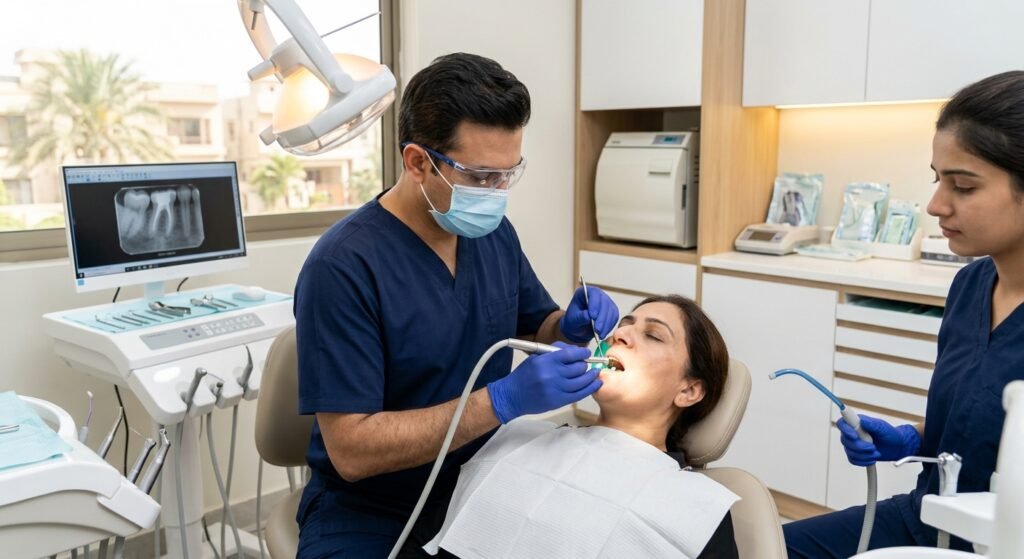
If you have a severely damaged, infected, or painful tooth, root canal treatment in DHA Karachi can help save the natural tooth and prevent the infection from spreading. Root canal treatment, also known as endodontic treatment, is a common dental procedure used when the soft inner part of a tooth becomes infected or inflamed. With timely treatment, patients can often preserve their natural tooth instead of having it extracted.
Many people delay visiting a dentist because they are worried about pain, treatment time, or cost. However, modern root canal treatment is performed using local anesthesia and advanced dental techniques designed to make the procedure more comfortable. Understanding the treatment process, estimated cost, benefits, and aftercare can help you make a more informed decision about your dental health.
If you are experiencing persistent toothache, sensitivity to hot or cold, swelling around the tooth, or pain while chewing, it is important to have the tooth examined by a qualified dentist. Early diagnosis can sometimes prevent the infection from becoming more serious.
What Is Root Canal Treatment?
Root canal treatment is a dental procedure used to treat infection or inflammation inside a tooth. Every tooth contains a soft tissue called the dental pulp, which contains nerves and blood vessels. When deep decay, cracks, trauma, or repeated dental procedures damage the pulp, bacteria can enter and cause an infection.
During root canal treatment, the dentist carefully removes the infected or damaged pulp from inside the tooth. The root canals are then cleaned, disinfected, shaped, and sealed to help prevent further infection.
After the root canal procedure, the tooth may need a dental crown or another restoration to restore its strength and function, particularly when a significant amount of the tooth structure has been lost.
When Do You Need Root Canal Treatment?
Not every toothache requires a root canal. A dentist usually recommends treatment after examining the tooth and, when necessary, taking dental X-rays.
Common signs that may indicate the need for root canal treatment include:
- Persistent or severe toothache
- Pain when biting or chewing
- Prolonged sensitivity to hot or cold foods
- Swelling around the affected tooth
- Tenderness or discomfort in the gums
- A darkened or discolored tooth
- A recurring dental abscess
- A deep cavity reaching the pulp
- A cracked or injured tooth
Sometimes a tooth with an infected pulp may not cause severe pain. This is why regular dental checkups are important. An infection can continue developing even when symptoms appear mild.
How Is Root Canal Treatment Performed?
Understanding the procedure can make the treatment feel less stressful. The exact process depends on the condition of the tooth, but root canal treatment generally involves several steps.
1. Dental Examination
The dentist first examines the affected tooth and discusses your symptoms. Dental X-rays may be taken to determine the extent of infection and understand the shape and number of the tooth’s root canals.
2. Local Anesthesia
Local anesthesia is used to numb the tooth and surrounding area. This helps make the procedure comfortable for most patients.
3. Removing the Infected Pulp
The dentist creates a small opening in the tooth and carefully removes the infected or inflamed pulp tissue from inside the tooth.
4. Cleaning and Shaping
The root canals are thoroughly cleaned and shaped using specialized dental instruments. The dentist also disinfects the canals to reduce bacteria and infection.
5. Sealing the Root Canals
Once the canals have been properly cleaned, they are filled and sealed with a suitable dental material. Sealing helps prevent bacteria from entering the treated area again.
6. Restoring the Tooth
After root canal treatment, the tooth may require a filling or dental crown. A crown can provide additional protection and help restore the tooth’s appearance and chewing function.
How Much Does Root Canal Treatment Cost in DHA Karachi?
The root canal treatment cost in DHA Karachi can vary depending on several factors. There is no single price that applies to every patient because different teeth and treatment situations require different levels of care.
Factors that can affect the cost include:
- The type of tooth being treated
- Number of root canals
- Severity of the infection
- Complexity of the procedure
- Whether additional treatments are required
- Type of final restoration or crown
- Dentist’s experience and expertise
- Dental clinic and technology used
Front teeth generally have fewer canals and may require a less complicated procedure, while molars can have multiple canals and may require more time and expertise.
For an accurate estimate, it is best to schedule a dental examination. The dentist can assess the tooth and explain the recommended treatment and associated costs before starting the procedure.
Is Root Canal Treatment Painful?
One of the biggest concerns patients have about root canal treatment in DHA Karachi is whether the procedure will be painful.
Modern root canal treatment is performed under local anesthesia, which numbs the treatment area. As a result, most patients experience little to no pain during the actual procedure. You may experience some mild sensitivity or discomfort after treatment as the surrounding tissues recover.
Following your dentist’s aftercare instructions can help manage temporary discomfort. If severe or persistent pain occurs after treatment, contact your dentist for an evaluation.
What Are the Benefits of Root Canal Treatment?
Root canal treatment offers several important benefits when a tooth can be successfully saved.
Saves Your Natural Tooth
One of the main advantages is that root canal treatment can allow you to keep your natural tooth rather than removing it.
Relieves Dental Pain
Treating the infected pulp addresses the underlying cause of pain and can provide significant relief.
Helps Stop Infection
Removing infected tissue and cleaning the root canals helps eliminate the source of infection and reduces the risk of it spreading to surrounding tissues.
Restores Normal Function
Once the tooth is restored, you can generally use it for normal biting and chewing.
Maintains Your Smile
Saving the natural tooth can help maintain the appearance and alignment of your smile.
Can Prevent Tooth Extraction
When a tooth is treatable, root canal therapy may eliminate the need for extraction and subsequent tooth replacement.
What Happens After Root Canal Treatment?
Some patients experience mild tenderness after root canal treatment. This can happen as the tissues around the treated tooth settle.
Your dentist may recommend avoiding hard or sticky foods on the treated tooth until the final restoration is completed. If a crown has been recommended, completing the restoration is important because a root-treated tooth can be more vulnerable to fracture.
Good oral hygiene should continue after treatment. Brush twice daily, clean between your teeth, and attend regular dental checkups.
Root Canal Treatment vs. Tooth Extraction: Which Is Better?
When a tooth is badly infected, patients sometimes wonder whether extraction is easier than root canal treatment. Extraction removes the problematic tooth, while root canal treatment aims to preserve it.
Whenever a tooth can be predictably restored, saving the natural tooth is often worth considering. Natural teeth provide a natural biting function and help maintain the position of neighboring teeth.
However, not every tooth can be saved. If a tooth has extensive structural damage or cannot be restored successfully, extraction may be recommended. Your dentist can evaluate the condition of the tooth and discuss the most appropriate option for your situation.
How to Choose a Dentist for Root Canal Treatment in DHA Karachi?
Choosing the right dentist is an important part of your treatment. When searching for a root canal dentist in DHA Karachi, consider the dentist’s experience, the clinic’s facilities, treatment approach, and how clearly they explain your options.
A good dental consultation should give you an opportunity to understand:
- What is causing the problem
- Whether root canal treatment is necessary
- Whether the tooth can be saved
- The expected treatment process
- The estimated cost
- Whether a crown or other restoration is required
- What aftercare will be needed
You should feel comfortable asking questions before deciding on treatment.
Why Should You Avoid Delaying Root Canal Treatment?
If an infected tooth is left untreated, the infection may progress and affect the tissues around the tooth. In some cases, an untreated dental infection can lead to an abscess, swelling, and more complicated dental problems.
Delaying treatment may also reduce the chances of saving the affected tooth. If you are experiencing persistent tooth pain or other warning signs, getting a professional dental examination sooner is generally the better approach.
FAQs
How long does root canal treatment take?
The treatment time depends on the tooth and complexity of the infection. Some cases can be completed in one appointment, while more complicated cases may require additional visits.
How long does a root canal-treated tooth last?
A properly treated and restored tooth can function for many years. Good oral hygiene, regular dental checkups, and appropriate restoration can help protect the tooth.
Do I need a crown after root canal treatment?
A crown is often recommended for teeth that have lost significant structure, particularly back teeth. Your dentist will determine whether a crown is appropriate based on the condition of your tooth.
Can a root canal fail?
Root canal treatment generally has a good success rate, but treatment can sometimes fail because of persistent infection, missed canals, new decay, cracks, or other factors. A dentist can evaluate the tooth if symptoms return.
When should I see a dentist for tooth pain?
You should arrange a dental examination if tooth pain persists, especially if you experience swelling, sensitivity, pain while chewing, or signs of infection. Prompt treatment may help prevent the problem from becoming more complicated.
Conclusion
Root canal treatment in DHA Karachi can be an effective way to treat an infected or damaged tooth while preserving your natural smile. Although many patients worry about pain and cost, modern dental techniques and proper anesthesia can make the procedure much more comfortable than people often expect.
The total treatment cost depends on factors such as the tooth involved, infection severity, procedure complexity, and the type of restoration required afterward. The best way to determine whether you need root canal treatment and how much it may cost is to have the affected tooth professionally examined.
If you have persistent tooth pain, sensitivity, swelling, or discomfort while chewing, don’t ignore the symptoms. A timely dental consultation can help identify the problem and determine whether root canal treatment or another option is right for you.